Gaming
57 900 produkter
Välkommen till CDONs episka utbud av gaming - där spänning och äventyr aldrig tar slut. Oavsett om du är en dedikerad spelälskare eller en nybörjare på jakt efter adrenalinkickar har vi allt du behöver för att fördjupa dig i den spännande världen av gaming.


- -13 %
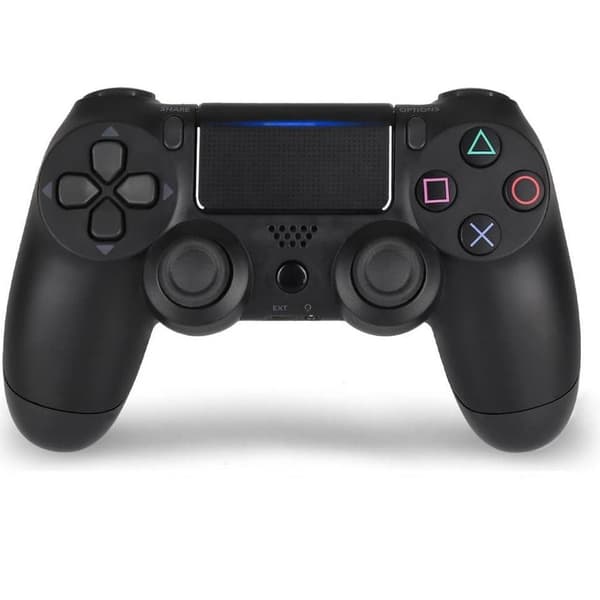
PS4 Handkontroll DoubleShock Trådlös för Play-station 4
259 kr
Tidigare lägsta pris:
299 kr
onsdag, 17 jun - Green Friday-26 %
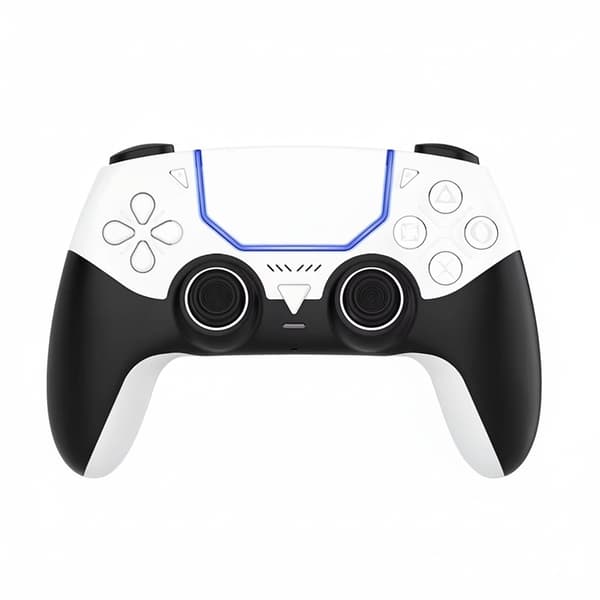
Trådlös Handkontroll Kompatibel med PS5 & PS5 Slim – Programmerbara Knappar, 1000mAh, USB-C
349 kr
Tidigare lägsta pris:
469 kr
fredag, 12 jun - -13 %
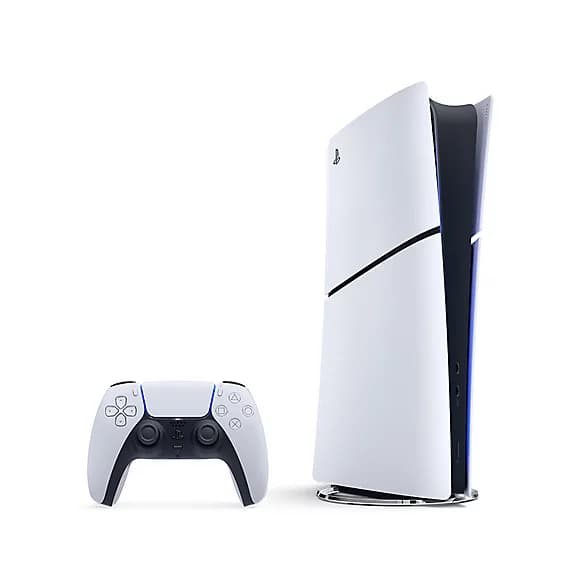
PlayStation 5 Slim Digital Edition (E-chassi) 825GB
6 490 kr
Tidigare lägsta pris:
7 490 kr
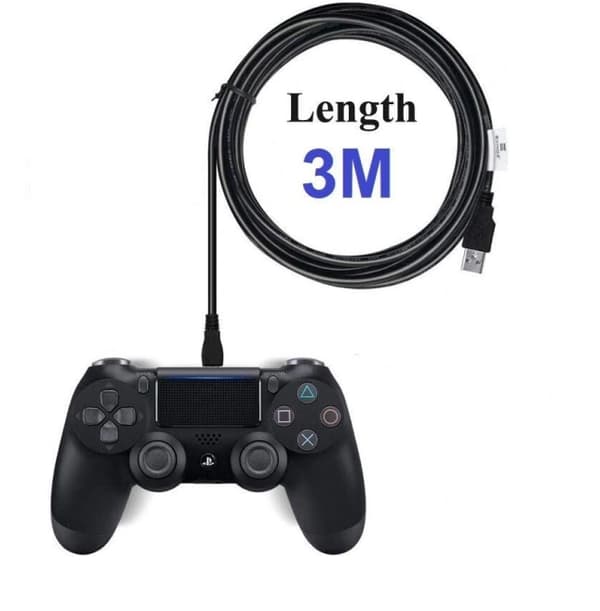
fredag, 12 jun 3M PS4 / Playstation 4 Laddkabel För handkontroll
69 kr
onsdag, 17 jun -18 %
-18 %Klassisk Retro Spelkonsol med 620 Inbyggda Spel och AV-utgång
245 kr
Tidigare lägsta pris:
299 kr
3,4onsdag, 17 jun -12 %
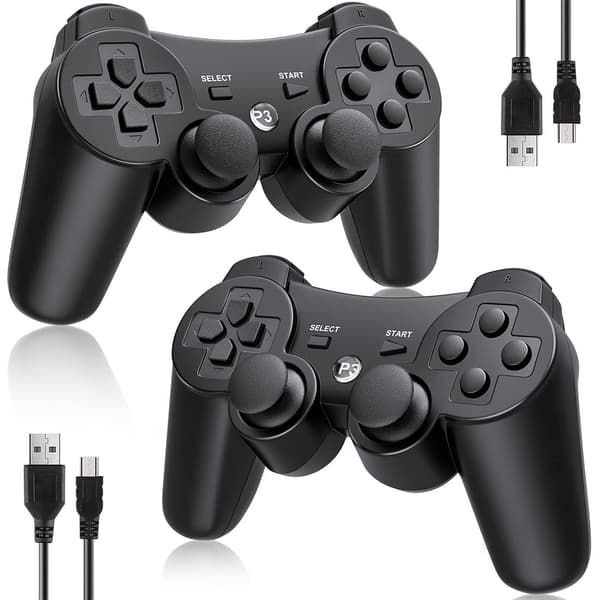
-12 %2Pcs PS3 trådlös handkontroll
245 kr
Tidigare lägsta pris:
279 kr
3,8onsdag, 17 jun Nice price
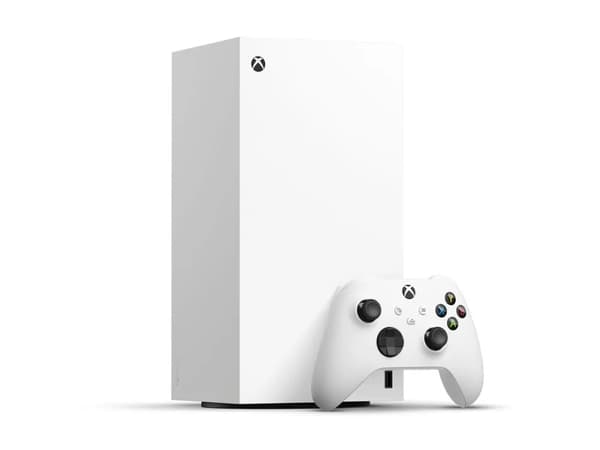
Microsoft Xbox Series S 512 GB Wi-Fi Vit
4 764 kr
torsdag, 18 jun- -25 %
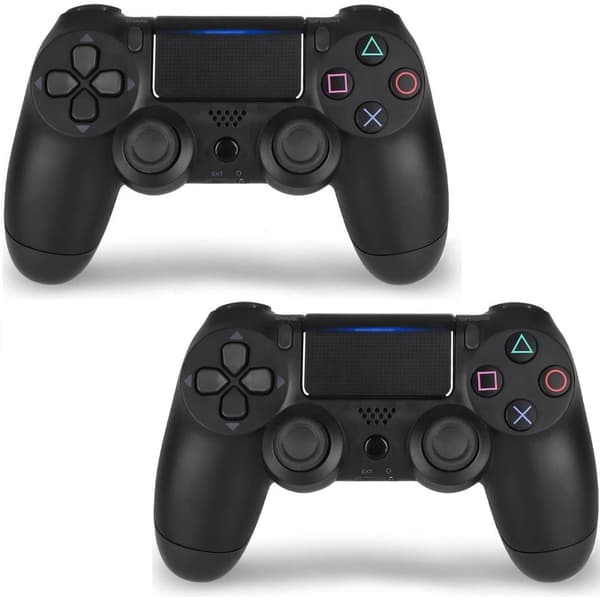
Trådlös spelkontroll kompatibel med PS4 – DoubleShock - 2-pack
299 kr
Tidigare lägsta pris:
399 kr
3,9fredag, 12 jun 
PS3 trådlös handkontroll
139 kr
4,1onsdag, 17 jun
2-Pack 3M PS4 / Playstation 4 Laddkabel För handkontroll
99 kr
4,9onsdag, 17 jun- -6 %
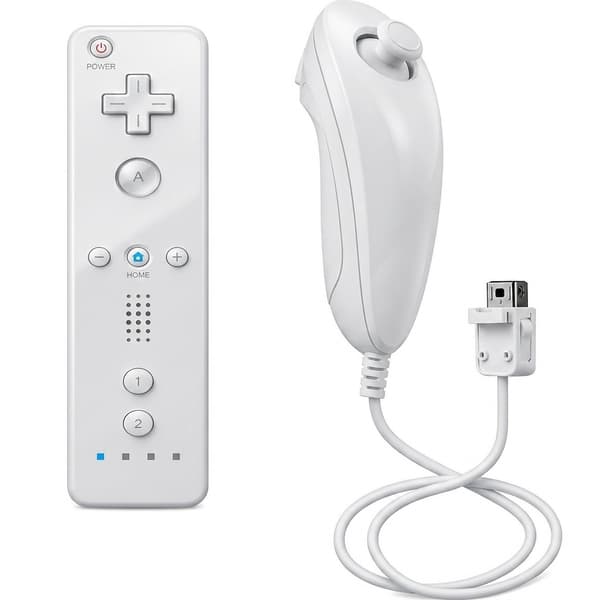
Wii Remote Plus + Nunchuck Motion Plus
299 kr
Tidigare lägsta pris:
319 kr
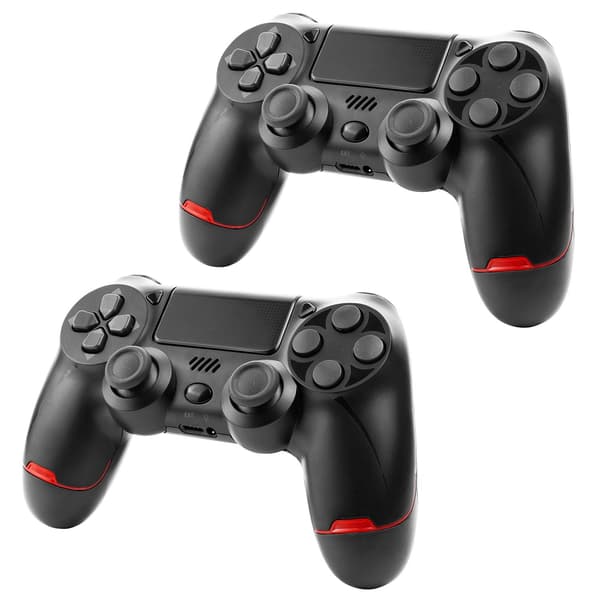
onsdag, 17 jun 2 Pack PS4 Handkontroll DoubleShock Trådlös för Play-station 4
499 kr
onsdag, 17 jun
Wii till HDMI-adapter, 1080p Full-HD Nintendo
67 kr
4,3onsdag, 17 jun- -10 %
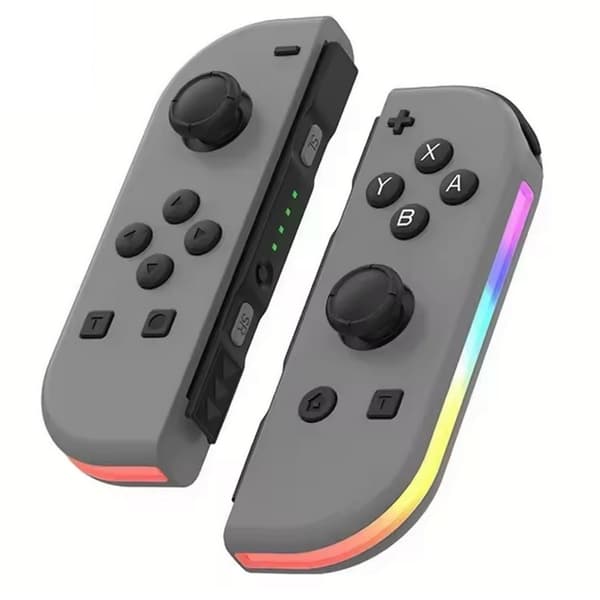
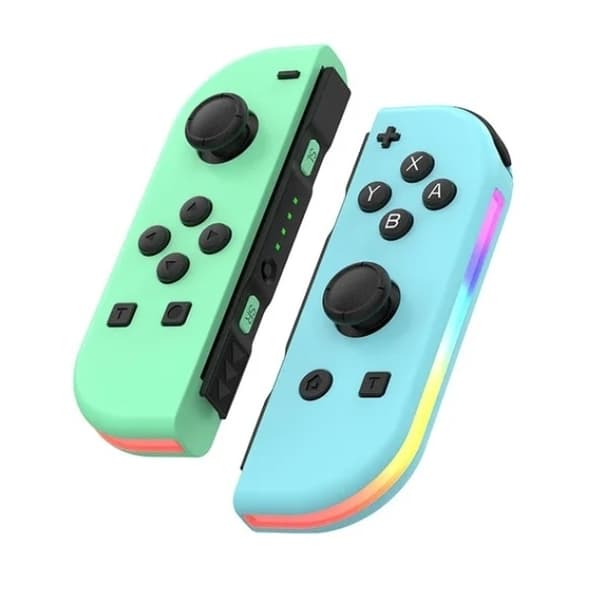
Handkontroll LED – Kompatibel med Nintendo Switch / Switch OLED Gray
295 kr
Tidigare lägsta pris:
329 kr
onsdag, 17 jun 
Dubbelladdningsstation för två PS4/PS4 Slim/PS4 Pro-handkontroller
129 kr
3,9onsdag, 17 jun- Nice priceNintendo
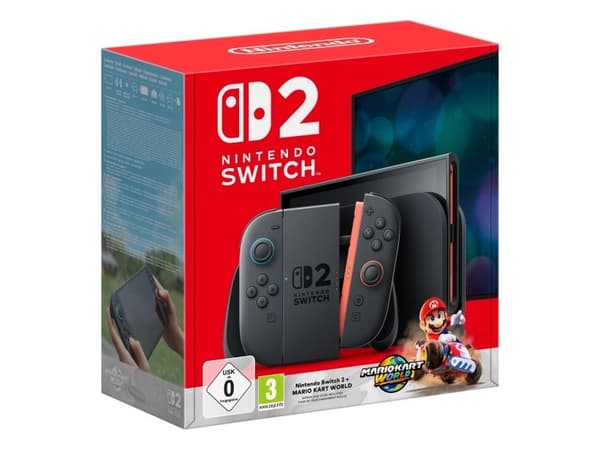
Nintendo Switch 2 + Mario Kart World
6 188 kr
4,5tisdag, 16 jun Trådlös kontroll kompatibel med Nintendo Switch
299 kr
2,9fredag, 12 jun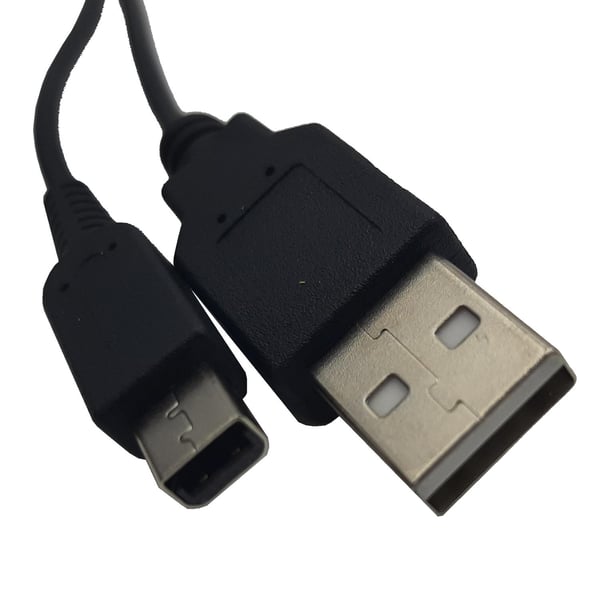
Laddkabel USB Nintendo 3DS, 3DS XL, DSi, DSi XL
99 kr
4,6fredag, 12 jun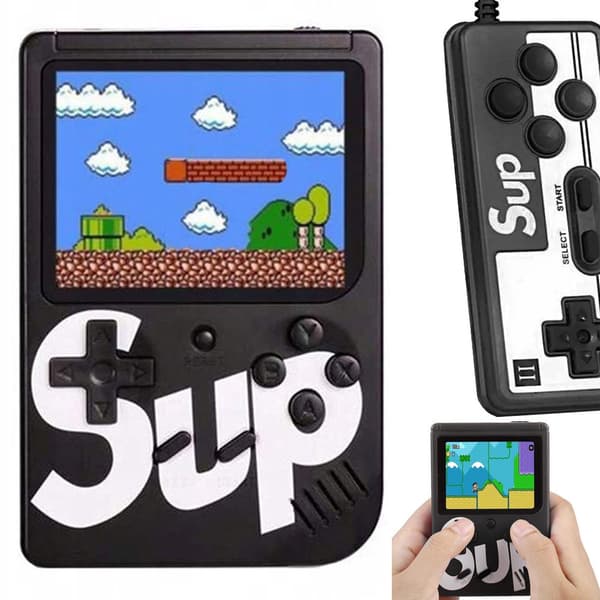 -22 %
-22 %Retro Mini Spelkonsol med 400 Spel & Handkontroll
219 kr
Tidigare lägsta pris:
279 kr
fredag, 12 jun
Laddare Kompatibel med Nintendo 2DS / 3DS / 3DS XL / DSi / DSi XL
119 kr
3,2tisdag, 16 jun- Green Friday-40 %
Handkontroll LED kompatibel med JoyCon Nintendo Switch
299 kr
Tidigare lägsta pris:
499 kr
fredag, 12 jun 
AC Adapter Kompatibel med Nintendo 8-Bit / Super Nintendo
139 kr
tisdag, 16 jun
Handkontroll Kompatibel med Nintendo Nes Mini
149 kr
1,0tisdag, 16 jun- Green Friday-16 %
Laddningsstation Kompatibel med Nintendo Switch Joy-Con
149 kr
Tidigare lägsta pris:
178 kr
4,5tisdag, 16 jun - Microsoft
Microsoft Xbox Series X - Spelkonsol - 4K - HDR - 1 TB SSD - robotvit
7 488 kr
5,0tisdag, 16 jun - -5 %
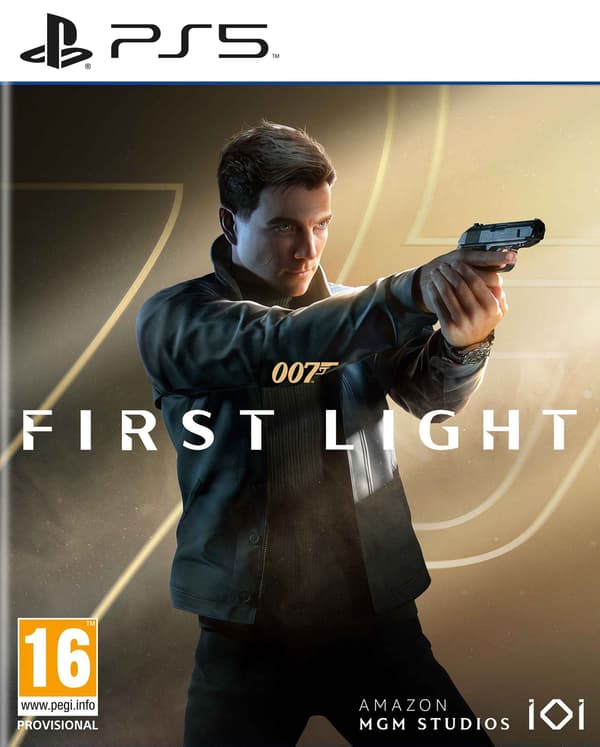
007 First Light (PS5)
748 kr
Tidigare lägsta pris:
788 kr
tisdag, 16 jun - -25 %
SZ-S02 Silverfiber Gaming Finger Sleeves (Svart)
59 kr
Tidigare lägsta pris:
79 kr
2,0tisdag, 16 jun 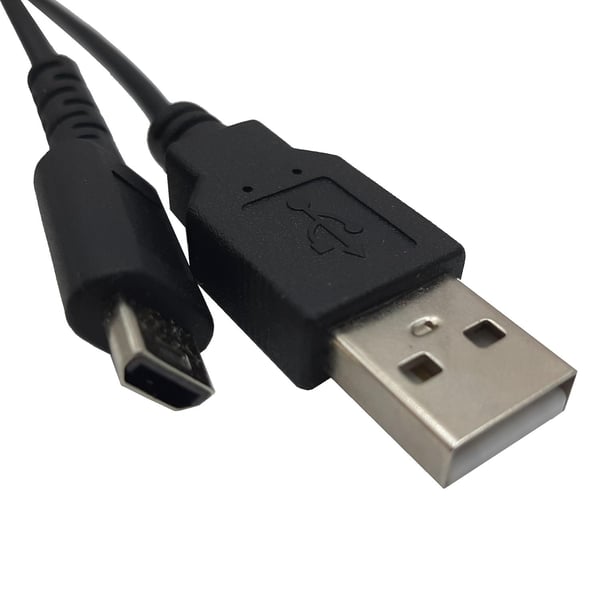
Laddkabel USB Nintendo DS Lite
99 kr
4,0fredag, 12 jun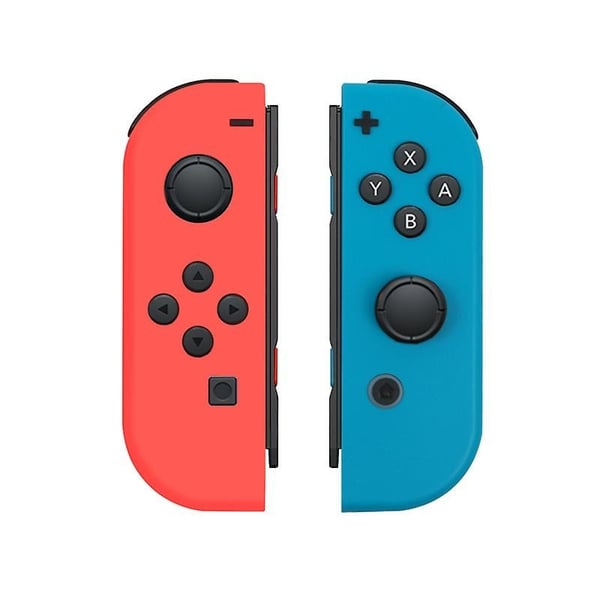 Green Friday-10 %
Joy-Con Handkontroll Kompatibel med Nintendo Switch Red/Turquoise (L + R)
349 kr
Tidigare lägsta pris:
389 kr
4,0tisdag, 16 jun Nice price
PS5 Digital Pack: PlayStation 5-konsol (Slim-modell) + Fortnite Flowering Chaos
6 576 kr
tisdag, 23 jun -25 %
-25 %Portabel Spelkonsol, 500st NES och SNES Spel, Nintendo / Super Nintendo, 500i1 - Gul
331 kr
Tidigare lägsta pris:
439 kr
4,0fredag, 12 jun -24 %
-24 %Wii till HDMI-adapter – Kompatibel med Nintendo Wii till Full-HD 1080p
75 kr
Tidigare lägsta pris:
99 kr
måndag, 15 jun- Microsoft
Microsoft Trådlös handkontroll till Xbox Series X/S och One, Vit
773 kr
5,0torsdag, 18 jun - -17 %
2-Pack - Trådlös Kontroll - Handkontroll för PS3 Kompatibel - 2-Pack
249 kr
Tidigare lägsta pris:
299 kr
3,6fredag, 12 jun - Sony
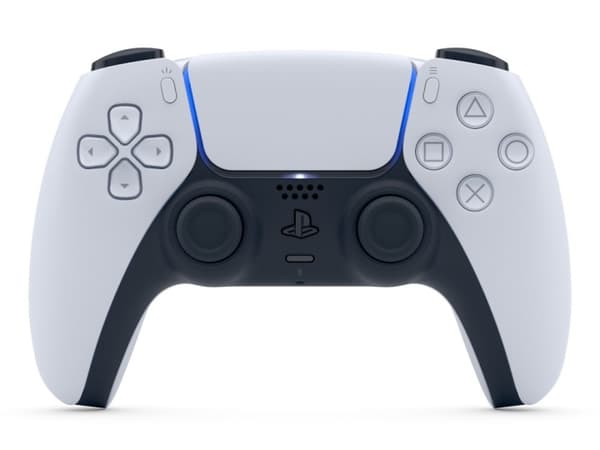
Sony DualSense - White (PS5) (Original)
980 kr
4,5måndag, 15 jun - Nintendo
Nintendo Switch 2
5 587 kr
5,0tisdag, 16 jun 
Klassisk Retro Spelkonsol med 620 Inbyggda Spel och AV-utgång
299 kr
3,3onsdag, 17 jun -8 %Microsoft
Xbox Wireless Adapter V2 for Windows (PC)
349 kr
Tidigare lägsta pris:
379 kr
4,6fredag, 12 jun- Pre-OwnedNintendo
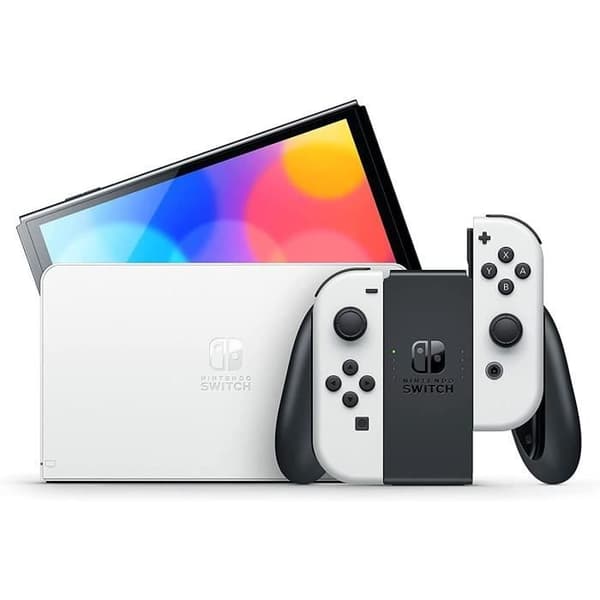
NINTENDO Switch OLED 64 GB vit - Begagnad - Utmärkt skick
3 019 kr
tisdag, 16 jun - -17 %
HDMI-adapter kompatibel med PS2 för HDTV
99 kr
Tidigare lägsta pris:
119 kr
3,2fredag, 12 jun  Sony
SonyPortabel Dual Dockstation PS5 Handkontroll
179 kr
fredag, 12 jun- Microsoft
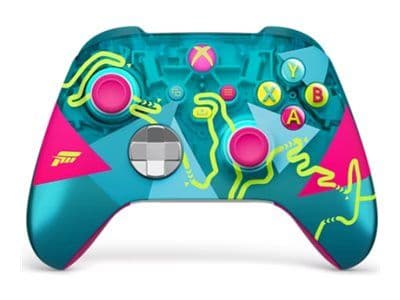
Microsoft Xbox Wireless Controller - Forza Horizon 6 Limited Edition - spelkontroll - trådlös - Bluetooth - för PC, Microsoft Xbox One, Android, Mi...
1 189 kr
måndag, 22 jun  Nice priceMicrosoft
Xbox Series X-konsol - 100 % digital - 1 TB - Vit
7 228 kr
4,9tisdag, 23 jun- Pre-OwnedNintendo
NINTENDO Switch (2019) 32GB Joy-Con Neon Blue & Red - Begagnad - Mycket bra skick
2 402 kr
5,0tisdag, 16 jun Final Fantasy VII (7) Rebirth ((+ Exclusive Mag (Switch2)
589 kr
torsdag, 25 jun- Green Friday-27 %
Tumgrepp paddlar och D-pads för spelkontroll Gold Xbox One Elite / Xbox Elite Series 2
239 kr
Tidigare lägsta pris:
329 kr
5,0tisdag, 16 jun  Green Friday-26 %Nintendo
Mario Kart World - Nintendo Switch 2
699 kr
Tidigare lägsta pris:
949 kr
tisdag, 16 junPC-PAD TRÅDBUNDEN PC-SPELPAD XBOX 360 USB DUBBEL STÖTDÄMPNING VIBRATION
312 kr
onsdag, 17 jun








Få bärbar spelglädje med Nintendo Switch
Nintendo Switch är synonymt med lekfullhet och mångsidighet. Här hittar du de senaste Nintendo Switch-spelen som tar dig till magiska världar, låter dig tävla med vänner i Mario Kart, eller utforska Zeldas värld. Slå upp din Nintendo Switch och upptäck hur det bärbara äventyret förändrar sättet du spelar på.
PS5 - nästa nivå av spelupplevelse
PlayStation 5, även känd som PS5, representerar den senaste innovationen inom gaming. Upplev grafik i toppklass, snabba laddningstider och ett stort bibliotek med spel som tar dig till nya höjder av underhållning. Hos oss hittar du, förutom själva konsolen då, ett brett utbud av PS5-spel och tillbehör som gör din gaming upplevelse komplett.
Bli en mästare av underhållning med PS4
PS4, eller PlayStation 4, har en speciell plats i många gamers hjärtan. Inom vårt utbud av PS4 konsoler och tillbehör hittar du en mängd olika spel till din PS4, från actionfyllda äventyr till hjärngympa och sportspel. Om du har missat några av de största PS4-titlarna, är det aldrig för sent att dyka in i deras världar.
Xbox Series X - snabbare, starkare, bättre
Xbox Series X tar gaming till en ny nivå med imponerande prestanda och spännande spel. Utforska den ultimata kraften hos Xbox-serien och få tillgång till ett bibliotek med spel som inte kan motstås. Vi har många Xbox Series X-spelen och tillbehören som gör att du kan spela med stil.
Är du redo att dyka in i en värld av gaming? Oavsett om du är en Nintendo-entusiast, en PlayStation-fan eller Xbox-fantast har CDON allt du behöver för att göra din gaming upplevelse oförglömlig. Ta kontroll över ditt äventyr och utforska gamings spännande resa idag!
Se även: Nintendo, PlayStation, Xbox, PC spel, Spelkonsoler & speltillbehör
Vanliga frågor
CDON erbjuder ett brett urval av spelkonsoler, inklusive PlayStation 5, Xbox Series X och S, Nintendo Switch och Nintendo Switch Lite. Du hittar också tillbehör som handkontroller, headset och laddstationer för samtliga plattformar.
PS5 och Xbox Series X är båda kraftfulla nextgen-konsoler med 4K-grafik och snabb SSD. PlayStation 5 har exklusiva spel som God of War och Spider-Man, medan Xbox Series X erbjuder Xbox Game Pass och exklusiver som Halo. Valet beror på vilka spel och tjänster du föredrar.
Ja, CDON erbjuder ett brett sortiment av begagnade spelprodukter till förmånliga priser. Du hittar begagnade spel för PlayStation, Xbox, Nintendo och klassiska retrosystem. Det är ett kostnadseffektivt sätt att utöka din spelsamling.
En gamingdator är optimerad för spel med kraftigt grafikkort, snabb processor och tillräckligt med RAM. Tänk på grafikkort, processor, RAM-storlek och lagringsutrymme. En bra gamingdator ger smidigare spelupplevelse och bättre grafik.
Ja, CDON säljer digitala spel och nedladdningskoder för flera plattformar, inklusive PC, PlayStation och Xbox. Digitala spel levereras direkt via e-post och är tillgängliga omedelbart efter köp utan väntetid för frakt.
CDON har ett stort utbud av Nintendo-produkter, inklusive Nintendo Switch, Nintendo Switch Lite och Nintendo Switch OLED. Du hittar spel som Mario Kart, Zelda, Pokémon och Animal Crossing samt tillbehör som Joy-Con och Pro Controller.
Retrogaming innebär att spela på äldre spelkonsoler och klassiska spel. Hos CDON hittar du produkter för klassiska system som Amiga, Commodore 64, Atari, Sega och tidiga PlayStation- och Nintendo-generationer. Det är en populär hobby för nostalgiska spelare.